Shop Voice
How Fast Should You Call a New Lead Back?
August 10, 2026 · Next Level Marketing Team
Minutes, not hours. A person who just filled out your form or left a voicemail is sitting there with their phone in their hand, and they are almost certainly contacting two or three other shops in the same sitting. Last week someone posted in a Long Island business group the most honest sentence in local business: we have been so busy that we forgot to call them back. Every owner reading this has lived that sentence. It is not laziness. It is what happens when the work in front of you is louder than the work trying to reach you.
Key takeaways
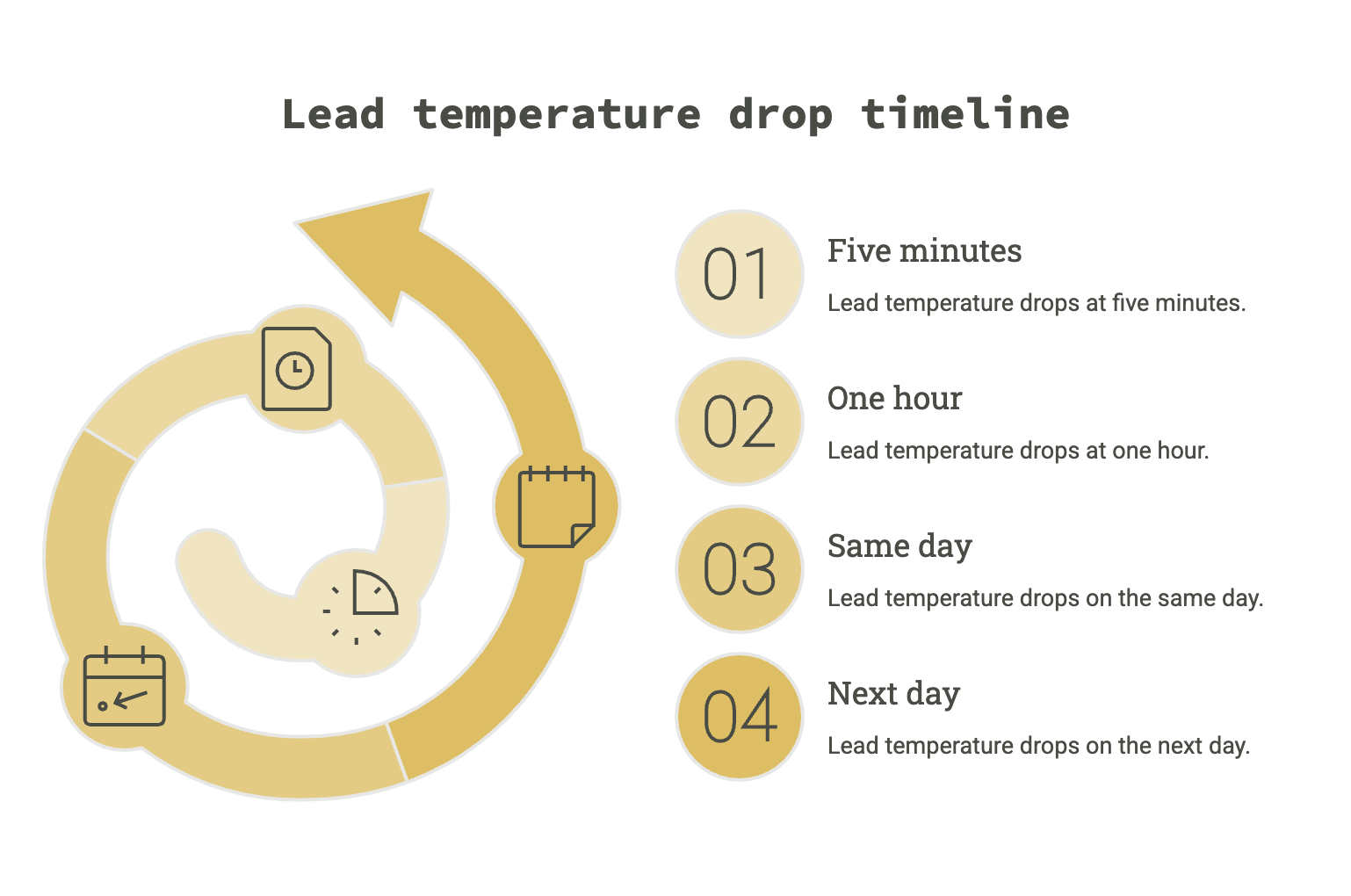
- Under five minutes is the goal, under an hour is the floor, same day is damage control, next day is a rescue mission.
- A new lead is contacting several businesses at once, so the first competent response usually shapes and wins the job.
- When nobody can answer, an automatic missed call text, a real answering option, and a named callback owner keep leads from sitting in silence.
Why does a lead go cold so quickly?
Because the customer is not waiting on you. They are solving a problem.
Think about what a new lead actually is. Somebody's brakes are grinding. Somebody's AC quit. Somebody's mother needs an appointment this week. They searched, they saw three or four businesses, and they started working down the list. The first shop that picks up and sounds competent gets to shape the whole conversation: what the problem probably is, what it might cost, when they can be seen.
By the time you call back at four o'clock, that customer has already booked, or they have already decided you are the kind of place that does not answer. Both are hard to come back from. The second call is not a continuation of the first inquiry. It is a cold call to somebody who has already moved on.
There is a widely circulated body of research on lead response time, most famously a Harvard Business Review piece from 2011 on the short life of online sales leads. It found response speed mattered enormously. Fair warning: that research is old, it studied business to business web leads, and it does not map cleanly onto a brake job or a haircut. So take it as directional, not gospel. What is not in dispute, and what every owner will confirm from their own bay, is that fast beats slow by a wide margin.
How fast is fast enough?
Here is a rule that survives contact with a real workday.
Under five minutes is the goal. Under an hour is the floor. Same day is damage control. Next day is a rescue mission.
You will not hit five minutes on every lead. Nobody does. The point of naming the number is that it changes the default. When call them back in five minutes is the standard, the fifteen minute callback feels late and somebody chases it. When there is no standard, four hours feels normal because everyone was busy and everyone was.
Notice that the clock starts when the lead arrives, not when you notice it. A form fill that sits in an inbox nobody checks until lunch is already forty minutes cold before a human ever sees it.
What do you do when nobody can get to the phone?
This is the real question, because the honest answer for most shops is that during the busiest hours there is genuinely nobody free.
You have three practical options, and they stack.
One: an automatic text the second a call is missed. Not a voicemail greeting. A text. Something like, hi, this is Dave at Riverside Auto, sorry we missed you, we are with a customer, what can we help with? That text arrives while the person still has your number on screen. Many people will text back a description of the problem, and now you have a live thread instead of a dead voicemail.
Two: someone or something that actually answers. Whether that is a part time person, an answering service, or one of the AI receptionist tools that have gotten noticeably better in the last year, the goal is the same: a human sounding response in real time that captures the name, the number, the vehicle or the service, and the urgency.
Three: a named owner for callbacks. One person whose job includes clearing the callback list at fixed times. Not whoever gets to it.
The technology choice matters less than the rule it enforces. A missed call should never sit silent.
What should that first callback actually say?
Short and useful beats polished.
Get three things in the first thirty seconds: what they need, when they need it, and a specific next step. The specific next step is where most callbacks fall apart. We can probably take a look sometime this week loses to I can get you in Thursday at eight, does that work?
If you cannot book them on that call, book the next touch. I will call you back at two once I have the part price is a commitment the customer can hold you to, which is exactly why it works.
Does speed actually matter more than price?
Often, yes, and it surprises people.
When somebody's car is undriveable or their pipe is leaking, the currency is certainty, not dollars. The shop that answers, listens, and gives a clear next step is the shop that feels safe. Price gets compared later, and by then you are the incumbent rather than the alternative.
This is also why speed is the cheapest marketing improvement available to most local businesses. You are not buying more leads. You are converting a larger share of the ones you already paid for. Every ad dollar you have already spent gets more efficient the day your callback time drops.
How do you know if you are actually fast?
Measure it for two weeks. That is the whole exercise.
Write down, for every new inquiry, when it came in and when a human made real contact. Phone, form, text, all of it. Do not estimate. Estimating is how owners convince themselves they are quick.
At the end of two weeks you will have a very short list of ugly numbers and one or two obvious patterns. Usually it is a specific window, the mid morning rush or the hour after close, where everything falls through. Fix the window, not the whole business.
Reference: The Short Life of Online Sales Leads, Harvard Business Review (2011)
Frequently asked questions
How fast should a local service business call back a new lead?
Aim for under five minutes, treat one hour as the outer limit, and treat next day contact as a rescue attempt rather than a normal callback. The customer is usually contacting several businesses in the same sitting, so the first competent response tends to win the job. Speed matters most for urgent work like breakdowns, leaks, and same day appointments.
Is a text back as good as a phone call?
For the first touch, an immediate text often outperforms a delayed call, because it reaches the customer while your business is still on their mind. Many people prefer texting anyway and will describe the problem in writing. Use the text to open the conversation, then move to a call when you need detail or want to book.
What if we are genuinely too busy to answer the phone?
Then the answer cannot be a voicemail box. Set up an automatic missed call text, use an answering service or an AI receptionist, and assign one person to clear callbacks at fixed times each day. The goal is that no inquiry sits in silence, not that a specific human answers every ring.
Does responding faster mean we need fewer leads?
Frequently, yes. Improving callback speed raises the share of your existing inquiries that turn into booked work, which makes every dollar you already spend on marketing more productive. Most owners find it cheaper to fix response time than to buy more traffic.
How do we measure our current response time?
Log the arrival time and the first real human contact time for every new inquiry for two weeks, across phone, form, and text. Do not rely on memory or estimates. The log will usually reveal one or two specific time windows where leads fall through, and that is where to focus.
Does this apply to leads that come in after hours?
Yes, though the standard shifts. An immediate automated acknowledgment after hours holds the lead, and a callback first thing the next morning is usually acceptable. What loses the job is silence overnight followed by a call in the afternoon.