Shop Voice
Three Competitors Share Your Street. Here Is Why Google Picks One of Them.
August 17, 2026 · Next Level Marketing Team
If three shops sit on the same block, distance is no longer the tiebreaker. Google has to choose between you on something other than the map pin, and that something is usually the stuff you have been meaning to get around to. Most owners find this out the hard way. They search their own service, see the shop two doors down sitting in the top three, and assume the neighbor is paying somebody a lot of money. Sometimes that is true. More often the neighbor just filled in the boxes you left blank.
Key takeaways
- On the same street distance ties, so relevance and prominence decide who ranks first.
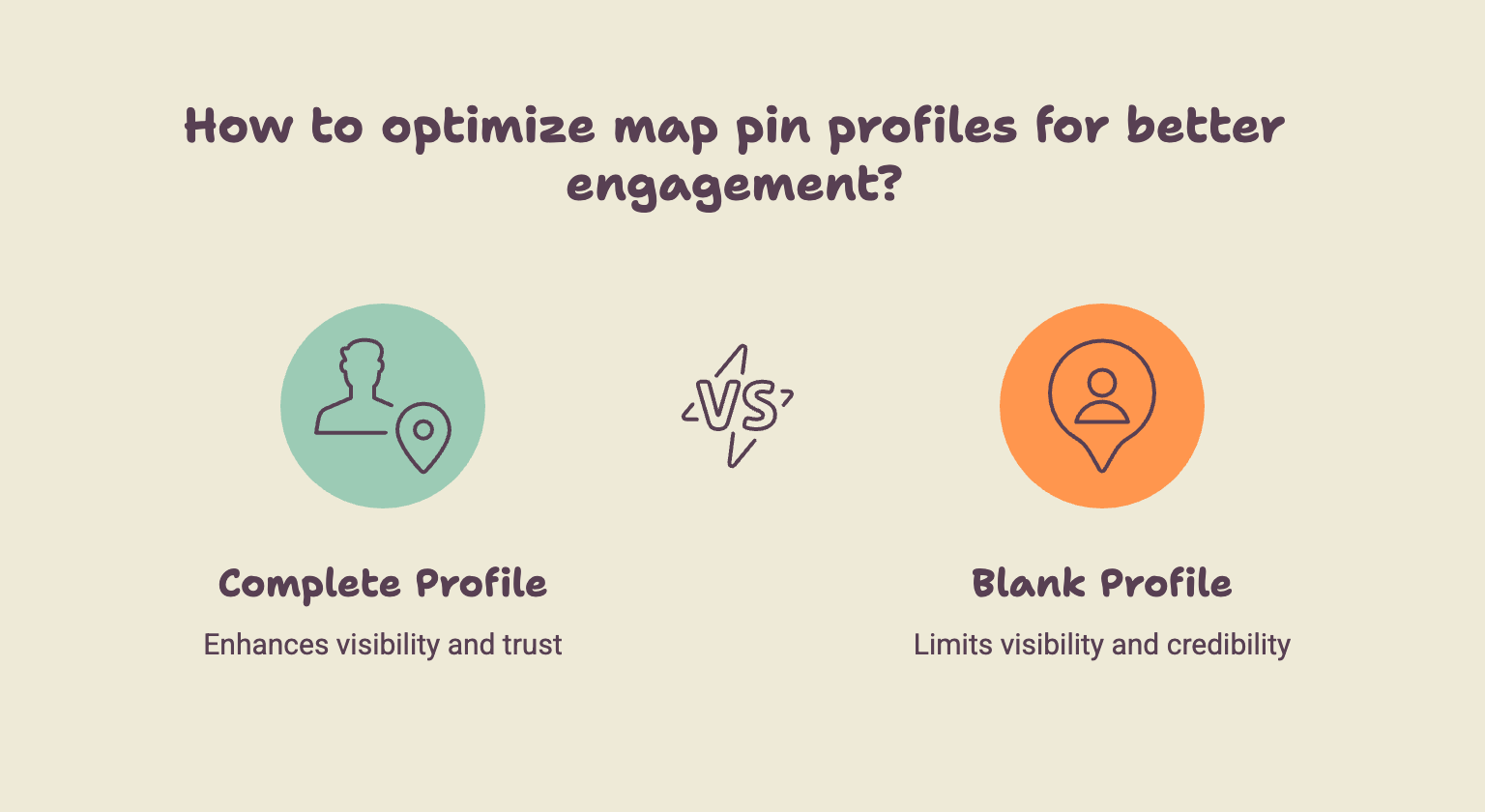
- A half filled Google Business Profile is the single most common gap between you and the top result.
- Recent reviews win the click, even against a competitor with a higher but older rating.
- One page per real service, in customer language, beats a single generic category line.
- Measure booked jobs and calls, not the monthly ranking position report.
Why does the shop down the street outrank me when we are the same distance from the customer?
Google's own documentation says local ranking comes down to three things: relevance, distance, and prominence. When you and your competitors are on the same street, distance is basically a tie. So the ranking gets decided on the other two.
Relevance means how well your profile and site match what the person actually typed. If somebody searches brake job near me and your competitor has brake service listed as a specific service on their profile, and you just have auto repair, they are more relevant to that search. Not better. Just clearer.
Prominence means how well known your business appears to be, based on things Google can see: reviews, mentions across the web, links, and how consistent your information is everywhere it shows up. This is the part most shops leave sitting.
What is the single biggest gap between me and the guy who ranks first?
Nine times out of ten it is the Google Business Profile, half filled out and last touched two years ago. Go look at yours right now.
Check the categories. Your primary category carries real weight, and a lot of shops picked something vague on day one and never revisited it. If you do transmission work, and there is a transmission shop category, that matters. Check your hours, including holiday hours. Check whether your services are listed individually or lumped into one line. Check whether there are photos from this decade.
Then look at your competitor's profile and compare them side by side. You will usually see the gap in about ninety seconds. It is rarely mysterious.
Do reviews really move the needle, or is that just something marketers say?
Reviews matter, and they matter in two separate ways that people tend to blur together.
The first is ranking: Google has said review signals factor into prominence; volume and recency both seem to play a role, though Google does not publish the exact weighting. The second is the part that actually pays your bills: the click. When three shops sit in the map pack looking nearly identical, the customer picks based on the star rating and the newest handful of reviews. A shop with reviews from this month reads as open, busy, and alive. A shop whose newest review is from two summers ago reads as questionable, even if the rating is higher.
The practical move: ask every satisfied customer, every week, in person, at the counter. Not a campaign. A habit.
How do I get found for the specific work I do instead of just my category?
This is where you separate from neighbors who all describe themselves the same way. Your competitors on the street probably all say auto repair or plumbing services. Meanwhile customers are searching for the specific problem they have: check engine light, water heater not heating, same day appointment, AC blowing warm.
So write those pages. One page per real service, in the words a customer would use, not industry shorthand. Say where you are and who you serve on each one.
Nobody wants to hear this, because it is work. But it is work you do once, and it keeps paying.
Is local SEO still worth it, or has AI search made it pointless?
This question is everywhere right now, and the honest answer is that the fundamentals have not changed as much as the noise suggests.
AI answer tools and Google's AI summaries pull heavily from the same underlying sources: your business profile, your reviews, your site content, and mentions of you elsewhere. A shop with a complete profile, current reviews, and clear service pages is the shop that gets cited.
What is genuinely unsettled is how much traffic those AI summaries divert away from clicking through to websites; anybody claiming to know the final answer is ahead of the evidence.
What should I stop paying for?
There is a real pattern of shops paying a monthly retainer and receiving a ranking report every month, while the phone does not ring any more than it used to. Ranking reports are not the product. Booked jobs are the product.
If you are paying somebody, ask on your next call: how many calls and how many booked appointments came from this work last month, and can you show me?
And the flip side: winning the search does nothing if the phone rings during a busy afternoon and nobody picks up. Getting found is the first half. Answering is the second half.
Reference: How to improve your local ranking on Google, Google Business Profile Help
Frequently asked questions
Why do my competitors on the same street rank above me on Google?
When businesses are equally close to the searcher, distance stops being a differentiator. Google then decides based on relevance (how well your profile and website match the search) and prominence (reviews, web mentions, and consistent business information). The competitor usually has a more complete Google Business Profile and more recent reviews, not a bigger budget.
How long does it take to see results from local SEO?
Profile fixes like correcting your category, adding services, and updating hours can affect visibility within weeks. Content and review building take longer, generally a few months, because they depend on steady accumulation rather than a single change. Anybody promising top rankings in a set number of days is not being straight with you.
Does my Google Business Profile category actually matter?
Yes, significantly. Your primary category is one of the strongest relevance signals Google uses for local results, and it should describe your main service as specifically as the available options allow. Many businesses choose a broad category once at setup and never revisit it, which quietly limits which searches they can appear in.
Should I build separate pages for each service I offer?
Yes, if you offer distinct services that customers search for by name. A page for each real service, written in customer language rather than industry terms, gives Google a clear match for specific searches and gives customers a page that answers their exact question.
How do I know whether my SEO spend is actually working?
Measure calls and booked appointments, not keyword positions. Ask your provider to report on inbound calls, form submissions, and jobs traced back to search. If the only deliverable is a monthly ranking chart, you are buying a report rather than results.
Is local SEO still relevant with AI search results?
The underlying signals are largely the same: AI tools and search summaries draw on business profiles, reviews, and site content. A business that is well described and well reviewed tends to be the one cited. How much traffic AI summaries ultimately divert from website clicks is still unsettled, and honest operators say so.